Язык
Язык 
Контент
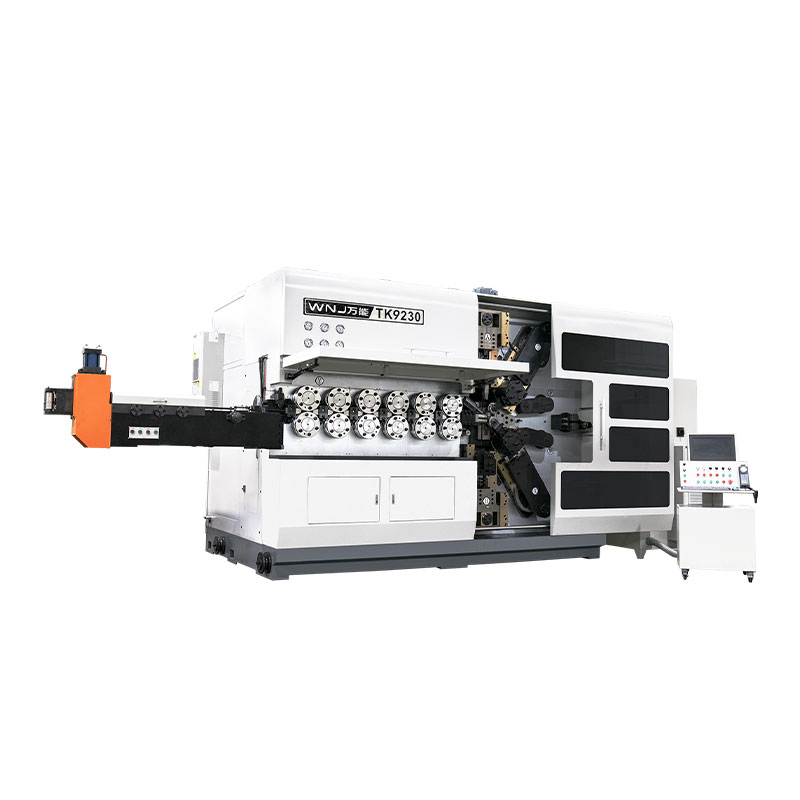
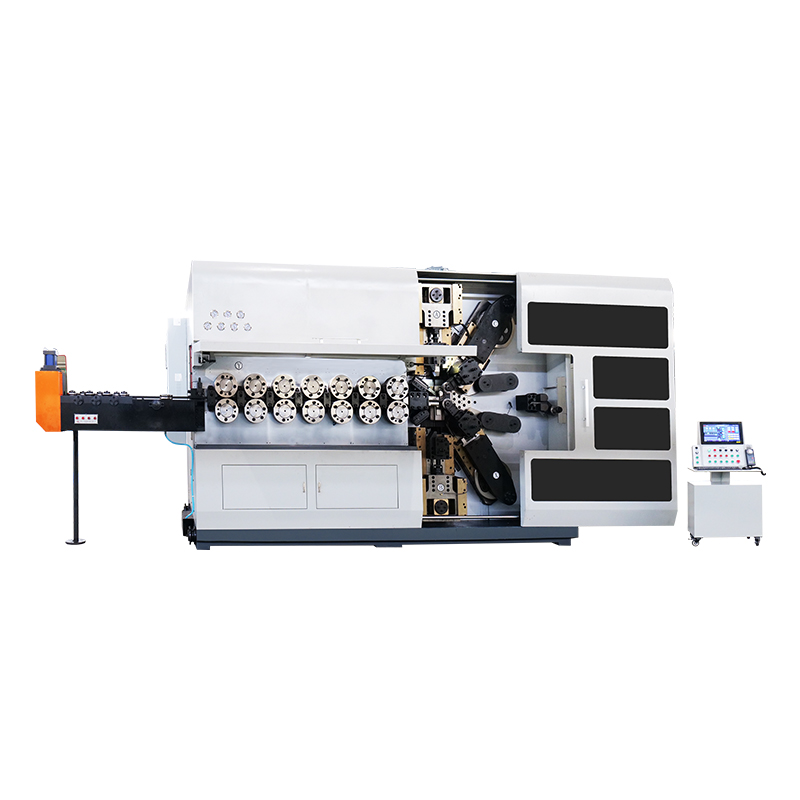
Машина для навивки пружин с ЧПУ — это прецизионная машина, управляемая компьютерным «мозгом», специально разработанная для навивки металлической проволоки в винтовые пружины.
Если обычный станок для навивки пружин похож на мастера, использующего ручную пилу, то станок для навивки пружин с ЧПУ похож на современный обрабатывающий завод с точной навигацией и автоматизированными манипуляторами. Для регулировки размера не требуются сложные механические механизмы; вы просто проводите пальцами по экрану, вводите несколько команд, и машина быстро производит идентичные пружины.
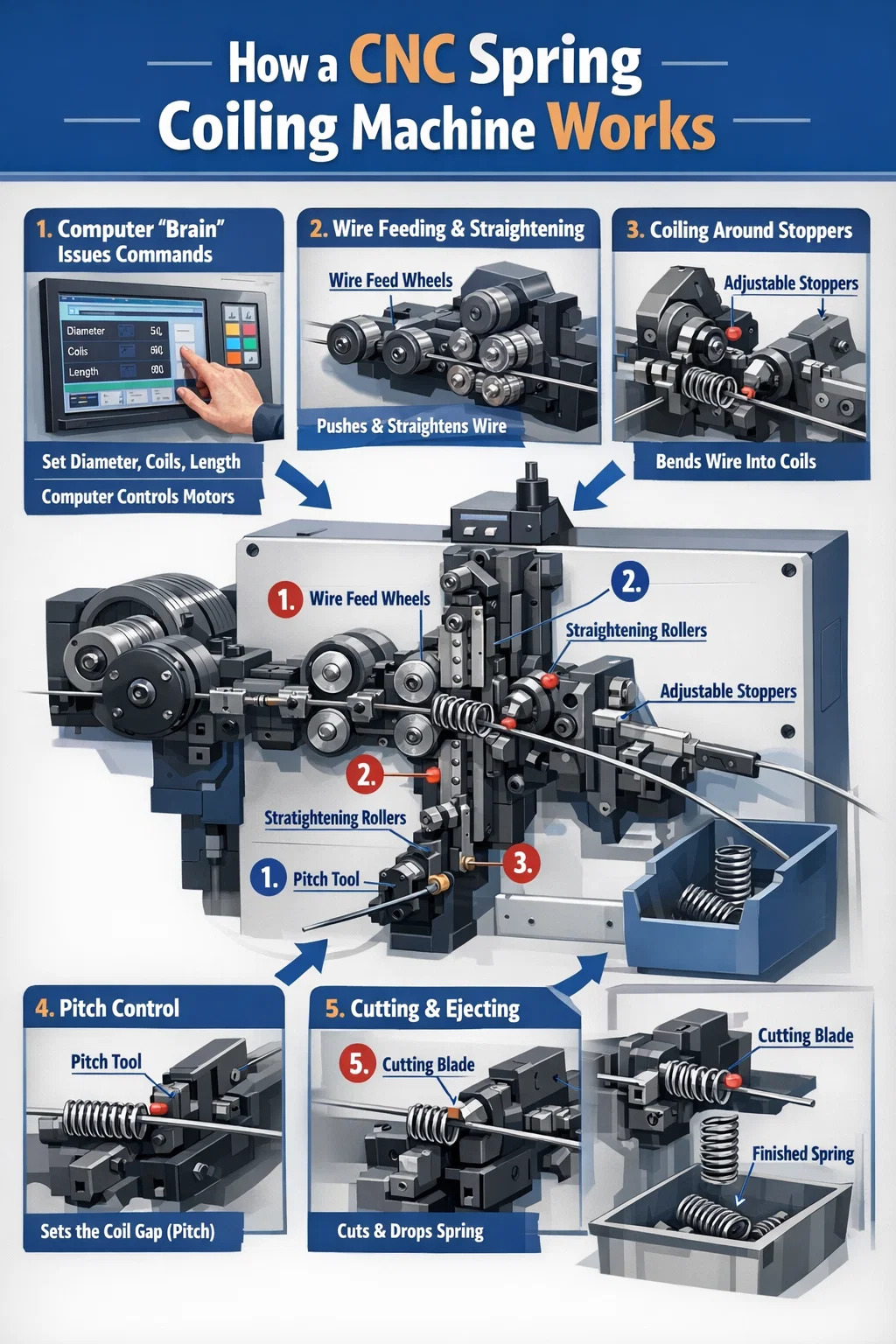
Эта машина преобразует жесткую стальную проволоку в эластичные бухты в основном за счет следующих точных шагов:
Оператор устанавливает диаметр пружины, количество витков и общую длину на панели управления. Компьютер преобразует эти параметры в электрические сигналы, точно управляя несколькими двигателями внутри машины. Каждый из этих двигателей выполняет свою конкретную задачу: одни толкают проволоку, другие сгибают ее, работая без сбоев.
Колесо подачи проволоки в задней части машины надежно захватывает стальную проволоку, непрерывно продвигая ее вперед. Прежде чем проволока попадает в зону формования, она проходит через ряд горизонтально и вертикально расположенных правильных роликов. Этот шаг удаляет исходную память кривизны проволоки, «гладя» ее прямо, чтобы гарантировать, что полученные пружины не будут искривлены.
Это основа процесса навивки пружины. Когда выпрямленная стальная проволока выталкивается из направляющей трубки, она сталкивается с одним или двумя чрезвычайно твердыми металлическими стопорами (обычно называемыми направляющими для проволоки).
Поскольку колесо подачи проволоки сзади все еще толкает вперед, а стопоры блокируют путь, проволоке некуда идти, кроме как сгибаться по дуге стопоров.
Прелесть станка для навивки пружин с ЧПУ заключается в том, что компьютер может в любой момент отрегулировать положение этих двух стопоров. Чем ближе стопоры, тем меньше круг; чем дальше они друг от друга, тем больше круг.
Если вы хотите, чтобы у пружины было пространство для сжатия, между витками должен быть зазор. Машина оснащена специальным «толкателем» (инструментом для подачи), который прижимает проволоку сбоку во время ее намотки. Компьютер контролирует силу и время срабатывания этого толкателя, определяя, плотно или слабо накручена пружина.
Когда пружина достигает заданной длины или количества витков, компьютер дает команду режущему лезвию быстро выдвинуться. Этот срез не только точен по положению, но и обеспечивает чистый, ровный срез. Таким образом создается стандартная пружина, которая попадает в корзину для сбора, и процесс немедленно начинается снова для следующей пружины.
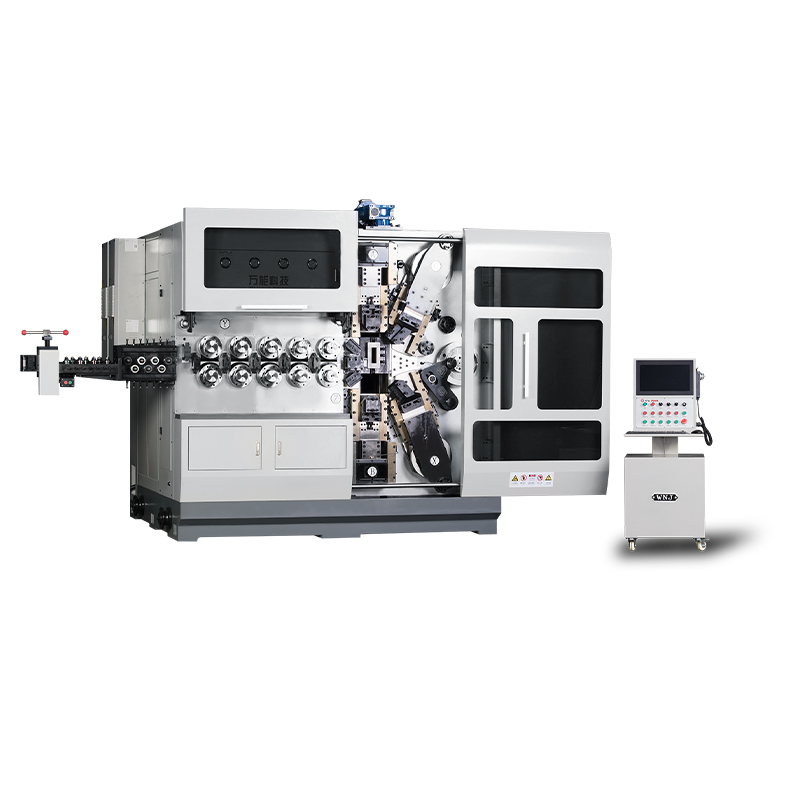
ТК12120 TK-12120 12-осевая машина для намотки пружин с ЧПУ...
Смотрите подробности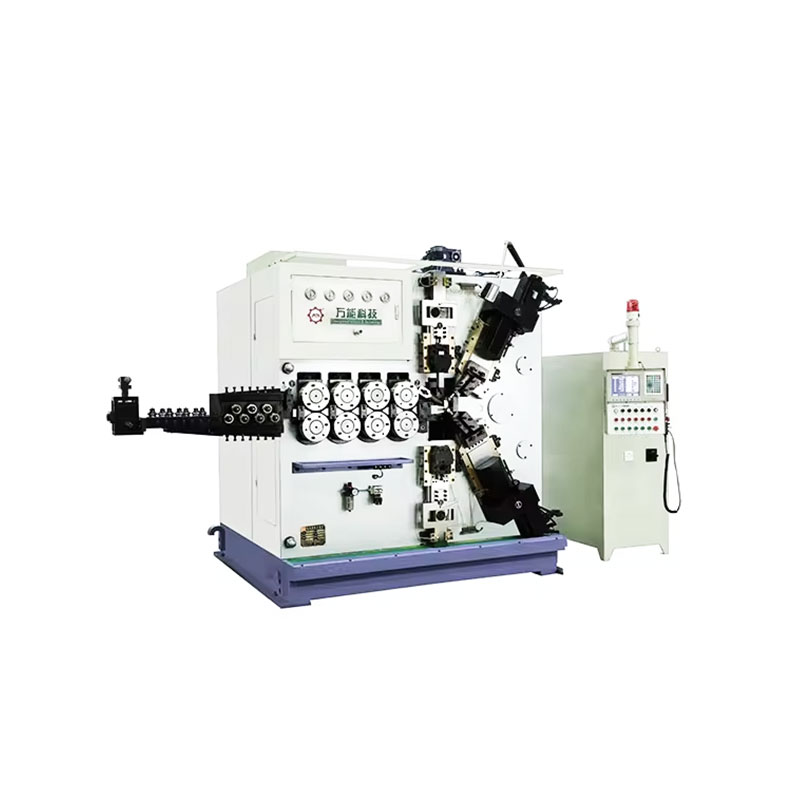
ТК-6160 Пружинно-прокатный станок с ЧПУ TK-6160...
Смотрите подробности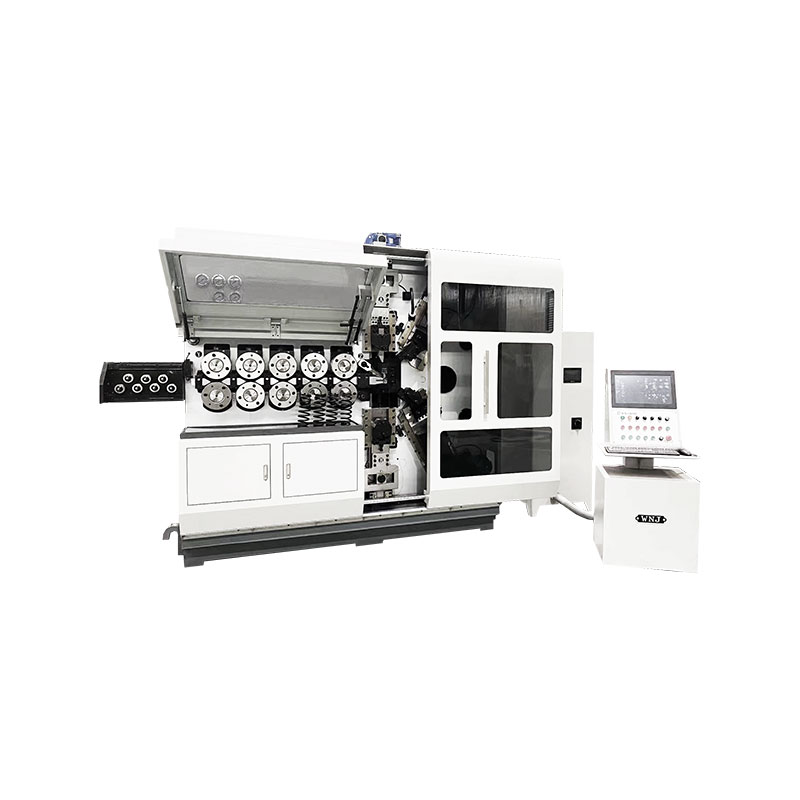
ТК-6120 Пружинно-прокатный станок с ЧПУ TK-6120...
Смотрите подробности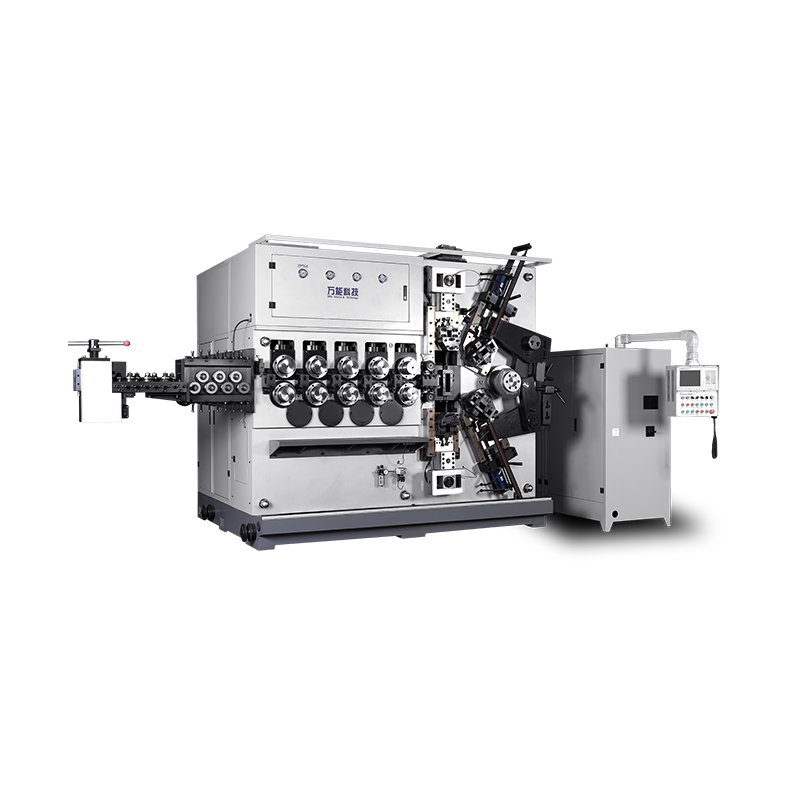
ТК-5200 TK-5200 5-осевой станок для намотки пружин с ЧПУ ...
Смотрите подробностиМобильный QR-код

 中文简体
中文简体 英语
英语 俄语
俄语 西班牙语
西班牙语