Язык
Язык 
Контент
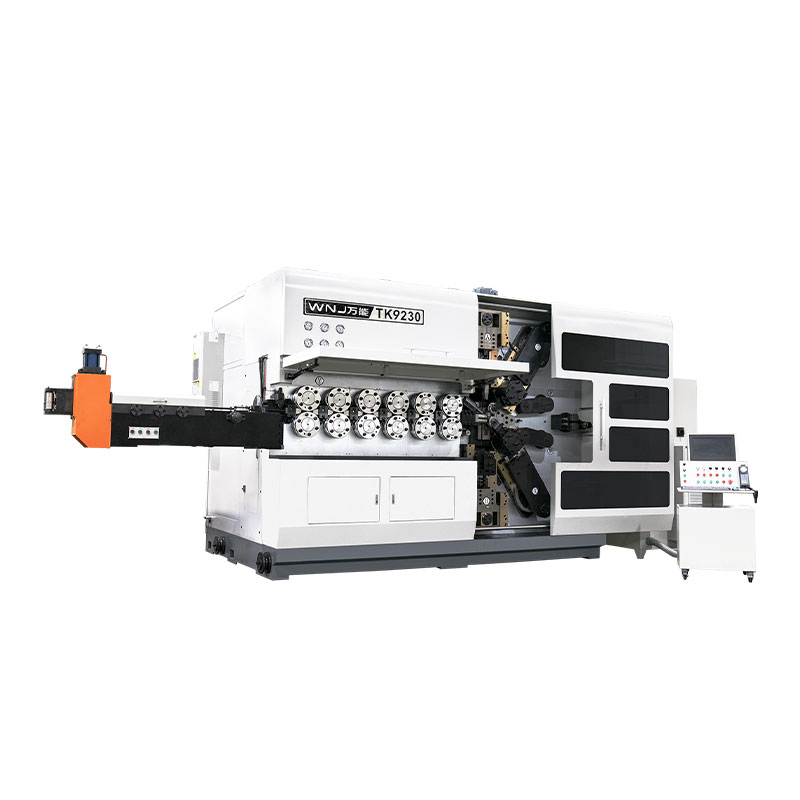
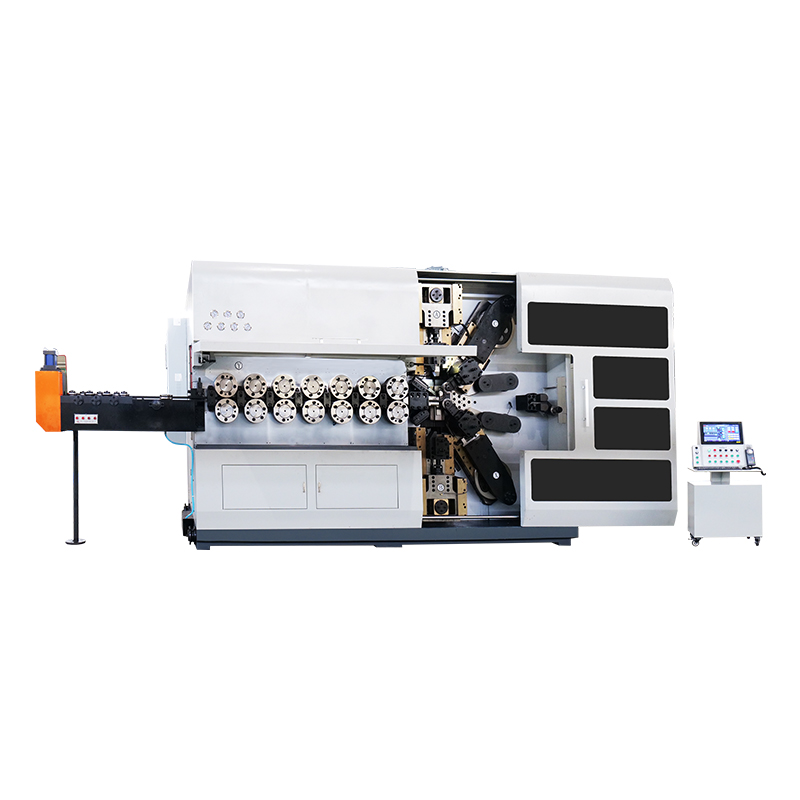
А машина для формирования пружин представляет собой специализированное промышленное устройство с ЧПУ (компьютерное числовое управление), предназначенное для сгибания, намотки и придания металлической проволоки сложной 2D- или 3D-геометрии. В отличие от обычных навивочных машин, которые в основном производят стандартные цилиндрические пружины, в машинах для формовки пружин используется несколько независимых осей — часто от 3 до 12 и более — для создания сложных форм из проволоки, торсионных пружин и контактов батареи с предельной точностью.
Основная цель этой машины — автоматизировать производство компонентов на основе проволоки, гарантируя, что каждая произведенная единица идентична в пределах максимально жестких допусков. /- 0,01 мм . Это делает его незаменимым инструментом в крупносерийных производственных секторах, таких как автомобилестроение и производство медицинского оборудования.
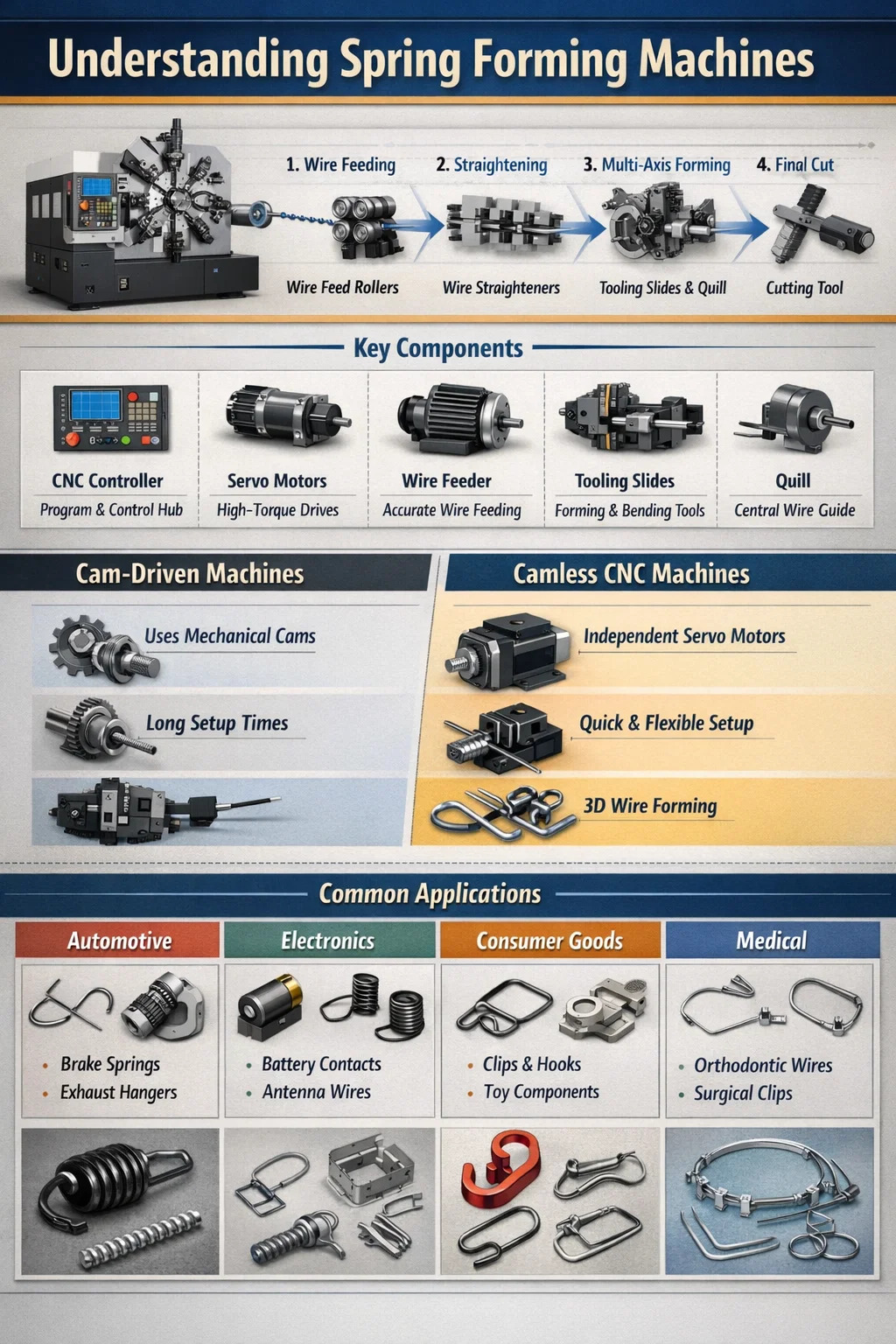
Основной принцип работы пружинной формовочной машины основан на синхронизированное движение системы подачи проволоки и ряда инструментальных направляющих. Процесс следует логической последовательности, контролируемой центральным компьютером:
Для достижения высокой скорости производства, иногда превышающей 100 штук в минуту — несколько внутренних компонентов должны работать идеально.
| Компонент | Функция |
|---|---|
| Контроллер ЧПУ | Мозг, хранящий программы и координирующий двигательные движения. |
| Серводвигатели | Обеспечивают высокий крутящий момент и точное вращение для подачи и гибки. |
| Устройство подачи проволоки | Ролики, которые толкают проволоку вперед с точностью до миллиметра. |
| Инструментальные слайды | Руки, которые перемещают инструменты внутрь и наружу, придавая форму проволоке. |
| Перо | Центральную направляющую трубку, из которой выходит проволока, необходимо сформировать. |
Понимание разницы в том, как работают эти машины, имеет жизненно важное значение для выбора правильного оборудования для конкретных производственных нужд.
Традиционные машины используют центральный распределительный вал для управления всеми движениями. Хотя они надежны для простых пружин, они требуют значительное время ручной настройки (часто 2–4 часа) для замены механического кулачка всякий раз, когда появляется новая конструкция детали.
Современный бескулачковые машины для формирования пружин используйте независимые серводвигатели для каждого суппорта инструмента. Это позволяет мгновенные корректировки через программное обеспечение. Ключевые преимущества включают в себя:
А spring forming machine is versatile enough to handle materials ranging from от 0,1 мм до 8,0 мм в диаметре, включая нержавеющую сталь, углеродистую сталь и медные сплавы.
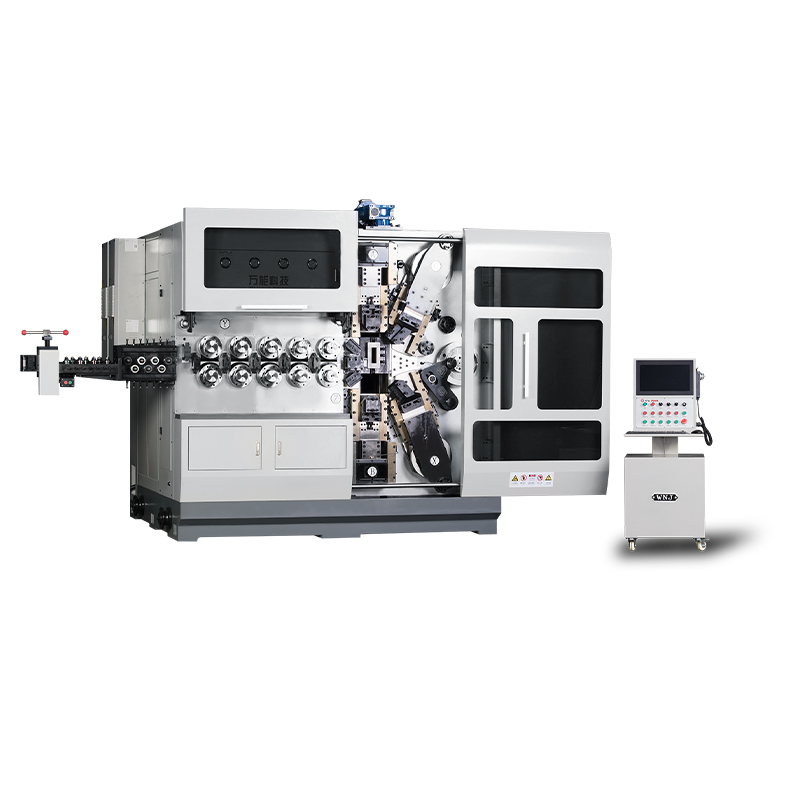
ТК12120 TK-12120 12-осевая машина для намотки пружин с ЧПУ...
Смотрите подробности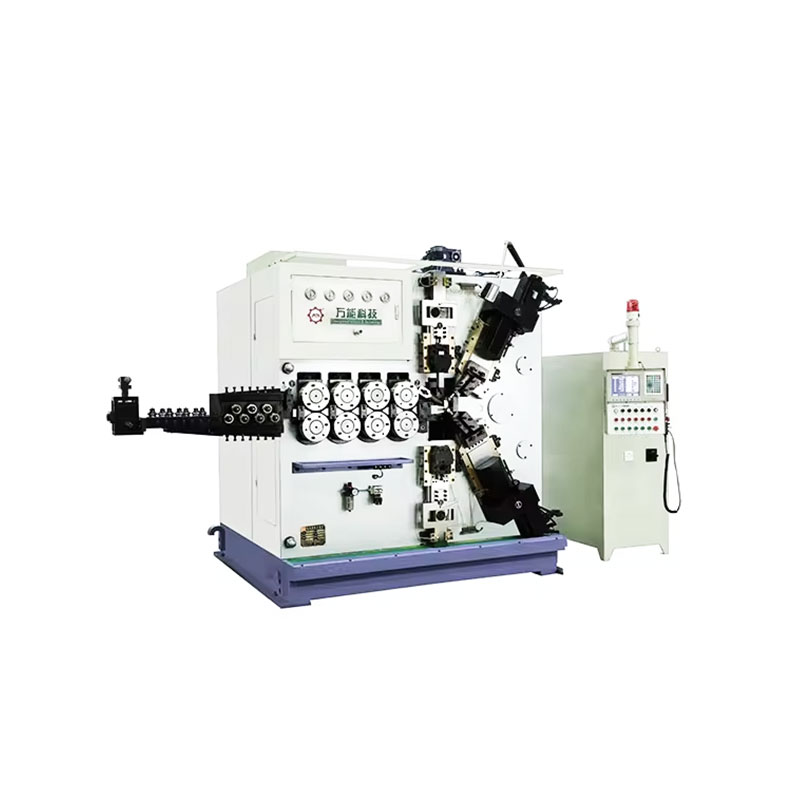
ТК-6160 Пружинно-прокатный станок с ЧПУ TK-6160...
Смотрите подробности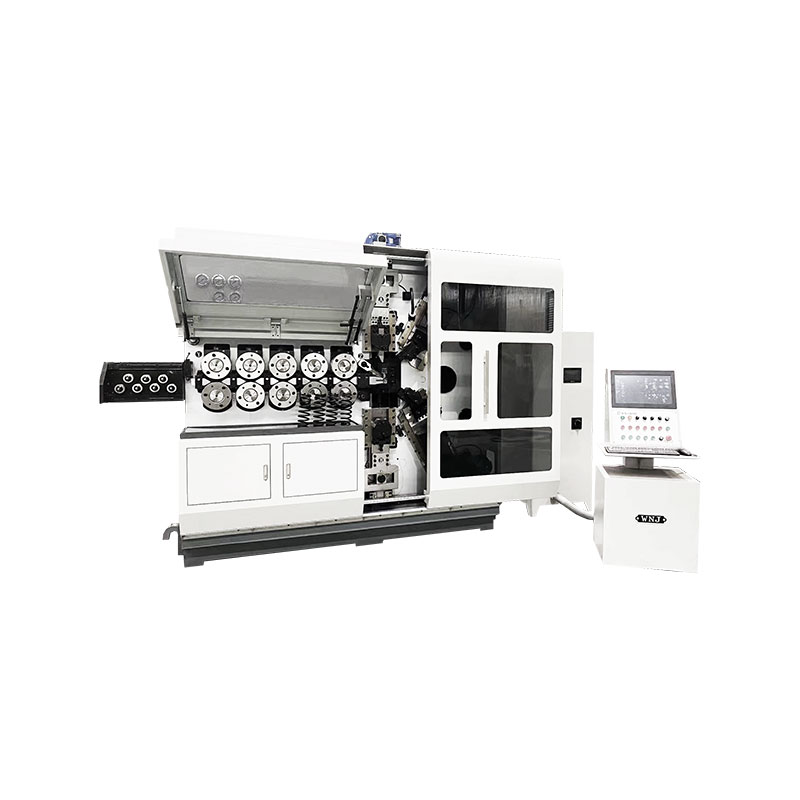
ТК-6120 Пружинно-прокатный станок с ЧПУ TK-6120...
Смотрите подробности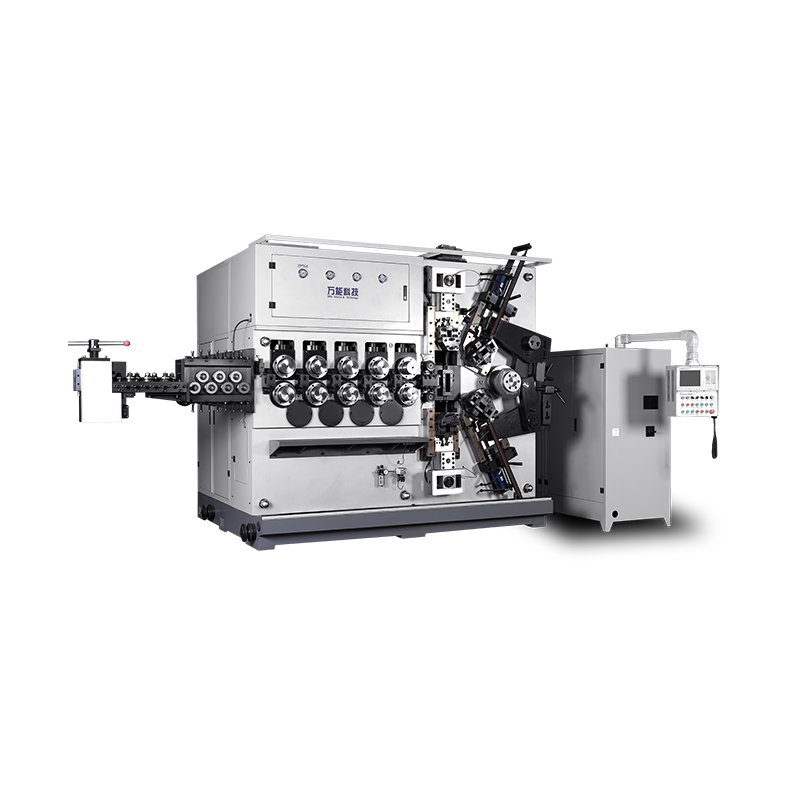
ТК-5200 TK-5200 5-осевой станок для намотки пружин с ЧПУ ...
Смотрите подробностиМобильный QR-код

 中文简体
中文简体 英语
英语 俄语
俄语 西班牙语
西班牙语