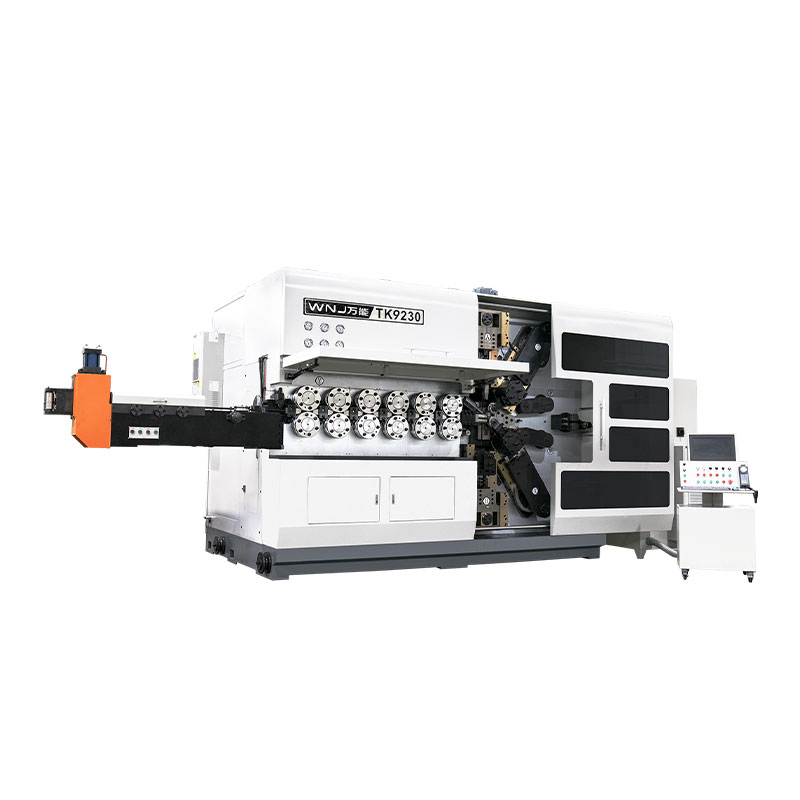
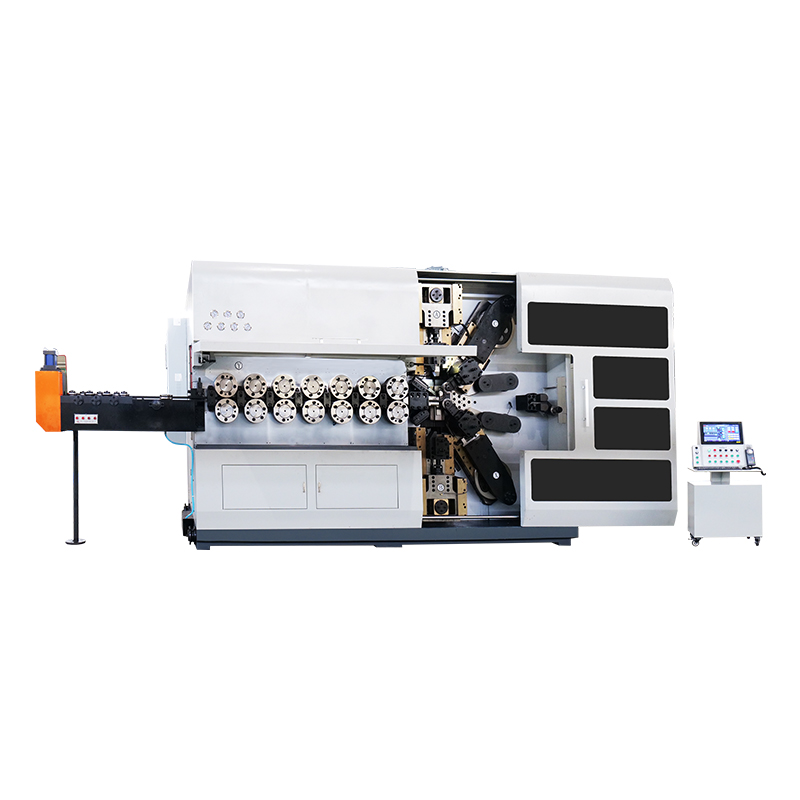
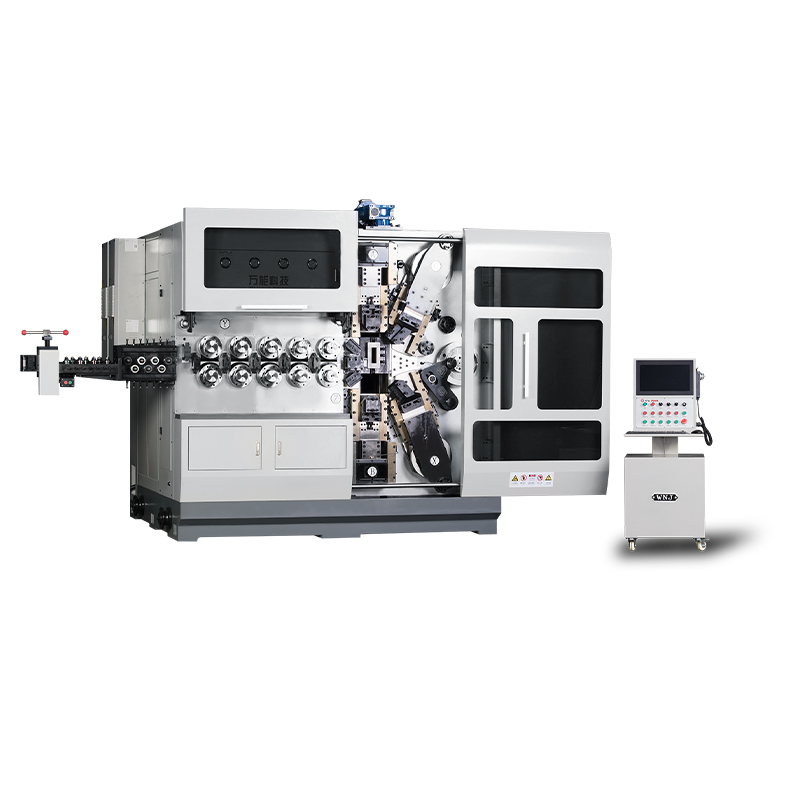
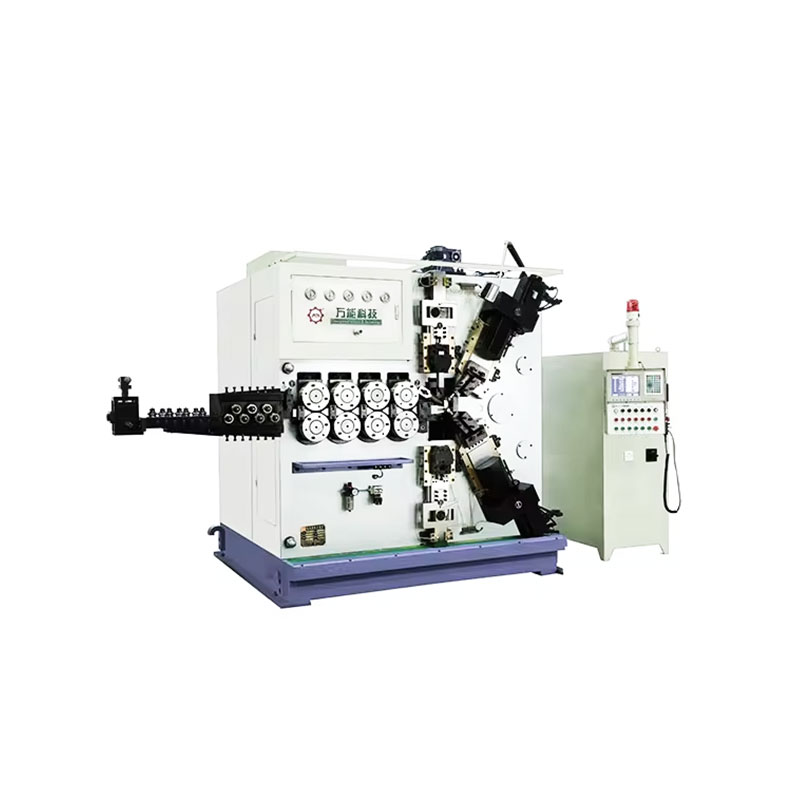
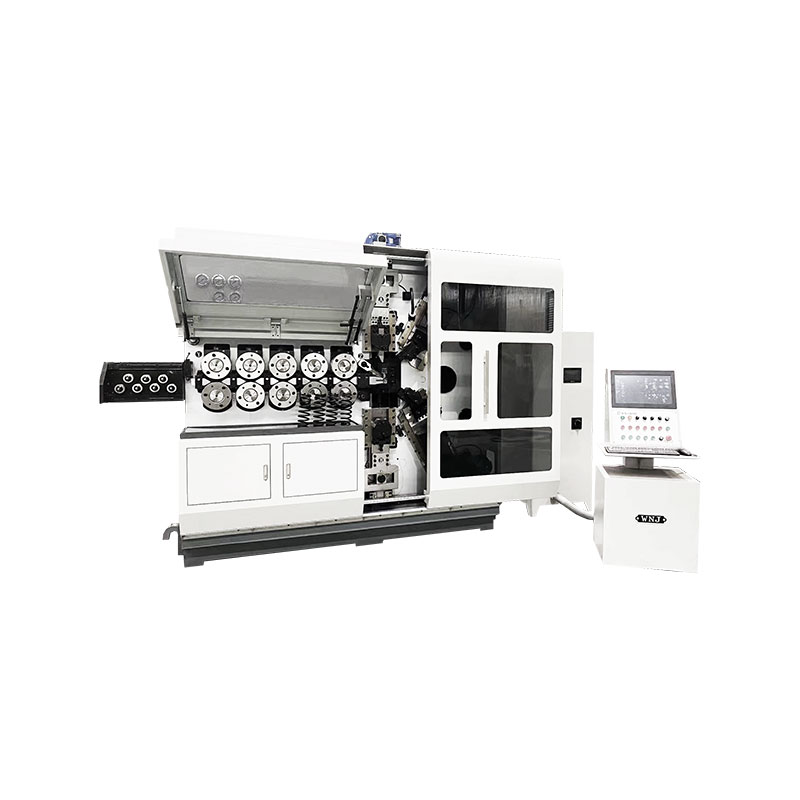
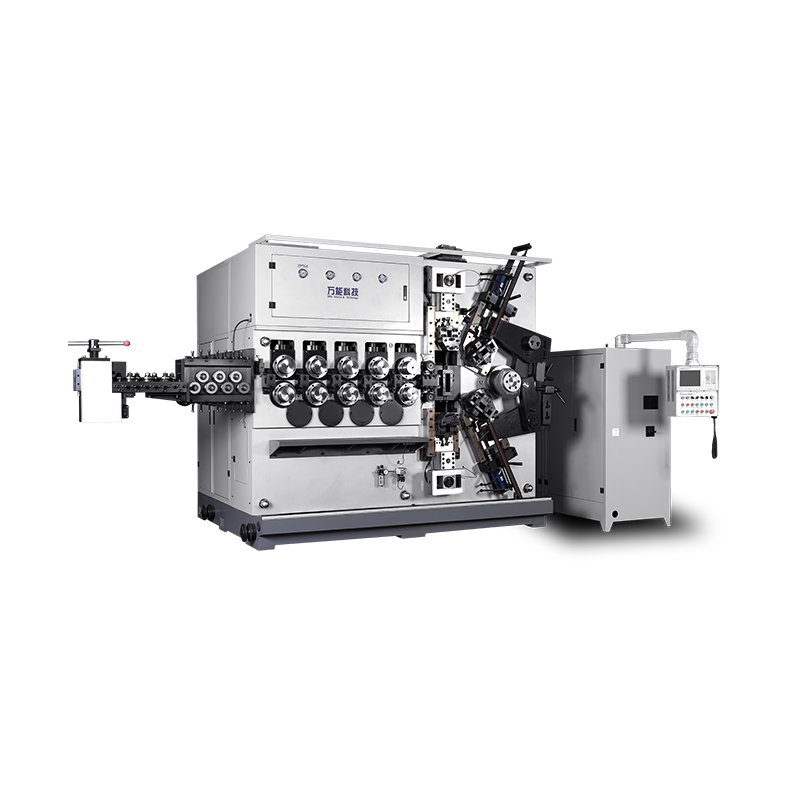
Проволокогибочный станок с ЧПУ формирует проволоку в точных, повторяемых формах, пропуская необработанную проволоку через программируемую головку, которая вращается, тянет и сгибает по нескольким осям, при этом человек-оператор не регулирует инструмент между деталями. Краткий ответ на вопрос, ради чего стоит вкладывать деньги, — это постоянство объема: правильно настроенная машина удерживает углы изгиба в пределах нормы. ±0,5 градуса в тысячах циклов, с чем ручные гибочные машины и даже гидравлические полуавтоматические машины для гибки пружин с трудом справляются, когда на сцену выходит усталость или текучесть кадров.
Это особенно важно в отраслях, где один-единственный изгиб, выходящий за пределы допуска, превращает всю партию в металлолом — автомобильные подвесные зажимы, формы для медицинских проводов, контакты разъемов для электроники и архитектурная проволочная сетка — все они имеют такую низкую устойчивость к смещению. Остальная часть этого руководства посвящена тому, как на самом деле работают эти машины, в чем они превосходят старые методы гибки, какие характеристики действительно имеют значение при сравнении моделей, а также правила технического обслуживания, которые определяют, сохраняет ли машина допуск после пяти лет трехсменного производства.
Как проволокогибочный станок с ЧПУ на самом деле формирует деталь
Процесс начинается с того, что выпрямитель проволоки снимает заготовку с катушки или катушки и удаляет память кривизны, накопившуюся во время хранения. Неравномерное выпрямление является одной из наиболее частых причин, по которой изгиб получается перекошенным, даже если программа правильна, поскольку гибочная головка предполагает, что работает с совершенно прямой проволокой, входящей в зону формовки.
После выпрямления механизм подачи с сервоприводом продвигает проволоку на измеренное расстояние — это линейная ось. Затем вращающаяся гибочная головка поворачивается вокруг проволоки на запрограммированный угол, а на многоосных станках вторая или третья головка может вращать саму проволоку, позволяя выполнять изгибы в разных плоскостях без изменения положения детали вручную. Каждое из этих движений контролируется независимо, что отличает настоящий гибочный станок с ЧПУ от механического гибочного станка с кулачковым приводом, который может повторять только одну фиксированную форму для каждой установки инструмента.
Три оси, определяющие способность к изгибу
- Ось подачи — контролирует, насколько далеко продвигается проволока до следующего изгиба, определяя длину сегмента.
- Ось изгиба — контролирует угол поворота головки изгиба: от нескольких градусов до полных поворотов на 180 градусов.
- Ось вращения — вращает проволоку вокруг своей центральной линии, поэтому изгибы могут происходить вне плоскости, создавая трехмерные формы, а не плоские формы.
Машина, ограниченная двумя осями, по-прежнему может производить превосходные плоские пружины и кронштейны, но все, что напоминает трехмерную проволочную форму — ручки, автомобильные зажимы со смещенными ножками или формы медицинского проводника — нуждается в третьей оси вращения, чтобы избежать ручного изменения положения между изгибами.
Старые конструкции машин для гибки пружин, особенно кулачковые и рычажные, по-прежнему распространены на заводах, поскольку они недороги в обслуживании и просты в эксплуатации для изготовления одной повторяющейся формы. Компромисс проявляется в тот момент, когда магазину необходимо сменить товар. Изменение настройки на основе кулачков на новый профиль изгиба часто означает физическую замену инструментов и повторную резку кулачков — процесс, который может занять полсмены или дольше, в зависимости от сложности.
Типичные различия в перенастройке и допусках между методами гибки, используемыми при формовке проволоки и пружин. | Метод изгиба | Время переключения | Типичный угловой допуск | Лучше всего подходит для |
| Ручная гибка вручную | Немедленно | ±3–5 градусов | Прототипы, единичные детали |
| Машина для гибки пружин с кулачковым приводом | от 2 до 6 часов | ±1–2 градуса | Длительные, неизменные производственные циклы |
| Проволокогибочный станок с ЧПУ | от 10 до 30 минут | ±0,3–0,5 градуса | Смешанное производство, частые изменения конструкции. |
Зазор между перенастройкой — это показатель, который обычно решает покупку. Цех, производящий небольшие партии из дюжины различных номеров деталей в неделю, теряет гораздо больше времени на переустановку кулачков, чем когда-либо тратил бы на программирование новой последовательности гибки на станке с ЧПУ, где сохраненная программа загружается менее чем за минуту.
Материалы проволоки и требуемое поведение при изгибе
Не каждая проволока реагирует на изгиб одинаково, и настройки машины должны учитывать упругую отдачу — небольшую величину, на которую проволока расслабляется назад сразу после того, как гибочная головка отпускает ее. Пружинный возврат — самый крупный источник размерных ошибок. при формовке проволоки, и она значительно различается в зависимости от материала и диаметра.
Распространенные материалы и их склонность к пружинению
- Низкоуглеродистая стальная проволока — умеренное пружинение, предсказуемое и легко компенсируемое с помощью фиксированного угла перегиба.
- Проволока из нержавеющей стали (марки 302/304) — более высокая упругость, чем из углеродистой стали, часто требуется коррекция перегиба на 5–8 процентов.
- Музыкальная проволока / высокоуглеродистая пружинная проволока — самая эластичная из распространенных гибочных заготовок, часто требует программируемого перегиба, превышающего 10 процентов.
- Медная и латунная проволока — минимальное пружинение, изгибается близко к запрограммированному углу, требует незначительной коррекции.
- Алюминиевая проволока — низкая упругость, но склонна к образованию пятен на поверхности, если давление инструмента не соответствует более мягкому материалу.
Современные контроллеры ЧПУ решают эту проблему, сохраняя значение компенсации пружинения для каждой комбинации материала и диаметра, поэтому оператор, переключающийся с нержавеющей стали на музыкальный провод, просто загружает другой сохраненный профиль, а не пересчитывает углы изгиба вручную. Без этой сохраненной компенсации каждое изменение материала становится процессом проб и ошибок, состоящим из пробных изгибов и регулировки угла, прежде чем изготовленные детали получатся правильными.
Технические характеристики, которые на самом деле предсказывают производительность машины
В коммерческой литературе по оборудованию для гибки проволоки обычно лидируют количество осей и максимальный диаметр проволоки, но некоторые другие цифры имеют большее значение для повседневной производительности, когда машина стоит на полу.
Точность подачи и повторяемость
Точность подачи описывает, насколько точно машина продвигает проволоку между изгибами, обычно выражается в долях миллиметра. Точность подачи 0,02 мм В технических характеристиках это звучит впечатляюще, но это имеет значение только в том случае, если оно сочетается с постоянной повторяемостью на протяжении тысяч циклов, а не только одного калибровочного теста. Попросите любого поставщика предоставить вам данные об отклонениях от цикла к циклу в течение длительного периода времени, а не единовременный показатель точности.
Скорость гибки в зависимости от реальной производительности
Машина, рассчитанная на 60 изгибов в минуту для простой детали с двумя изгибами, не достигнет этого показателя на сложной трехмерной форме с двенадцатью изгибами, поскольку каждое дополнительное перемещение оси изгиба увеличивает время настройки в рамках цикла. Реальная производительность зависит от сложности детали, и полезным показателем для сравнения является время цикла для репрезентативной детали, а не общее число изгибов в минуту.
Максимальный диаметр проволоки и диапазон растяжения
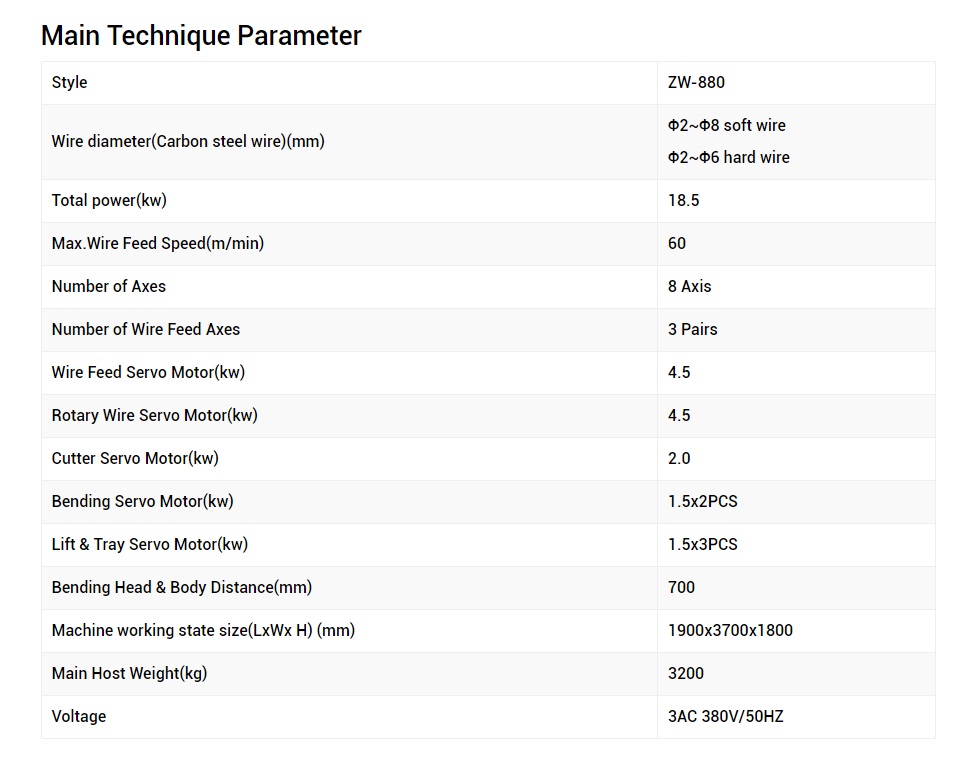
Один только диаметр не дает полной картины — машина, рассчитанная на 8-миллиметровую проволоку из мягкой стали, не обязательно рассчитана на 8-миллиметровую высокопрочную пружинную проволоку, поскольку выходной крутящий момент гибочной головки должен преодолевать сопротивление материала, а не только его физический размер. Диапазон прочности на растяжение, обычно указанный в характеристиках крутящего момента двигателя, следует сверять с фактическим используемым сортом материала.
Привычки к техническому обслуживанию, которые предотвращают смещение допусков
Гибочный станок, который в день установки имел идеальные допуски, может выйти из строя в течение года, если не проверить несколько конкретных точек износа. При формовке проволоки возникает абразивный контакт на каждой направляющей, ролике и штампе, и, в отличие от многих процессов с ЧПУ, износ здесь происходит постепенно, и его легко не заметить, пока детали не начнут выходить из строя при проверке.
Рекомендуемые интервалы проверки для мест износа, наиболее ответственных за отклонение допуска. | Компонент | Интервал проверки | Признак неисправности |
| Подающие ролики | Каждые 250 000 циклов | Проскальзывание проволоки, непостоянная длина подачи |
| Сгибание штифтов и штампов | Каждые 150 000 циклов | Угловой дрейф, задиры на поверхности проволоки |
| Правильные валки | Ежемесячная визуальная проверка | Изогнутые или волнистые готовые детали |
| Муфты для серводвигателей | Ежеквартально | Люфт, несогласованные углы изгиба |
Большинство незапланированных простоев связано с одной из этих четырех точек, а не сбоем системы управления. Подающие ролики, в частности, изнашиваются быстрее при работе с проволокой с абразивным покрытием, такой как оцинкованная или окрашенная заготовка, и предприятиям, работающим почти исключительно с этим материалом, следует сократить интервал проверки, а не ждать стандартного подсчета циклов.
Рабочий процесс программирования для настройки новых деталей
Запуск новой формы проволоки в производство на гибочном станке с ЧПУ обычно следует последовательной последовательности, и цеха, пропускающие этапы в этой последовательности, в конечном итоге получают наибольшее количество отходов во время первого запуска.
Пошаговая последовательность установки
- Подтвердите материал проволоки, диаметр и партию поставщика, поскольку значения компенсации упругого возврата привязаны ко всем трем параметрам.
- Введите или импортируйте координаты изгиба из CAD, если контроллер поддерживает импорт файлов DXF или STEP.
- Проведите сухое испытание на низкой скорости без проволоки, чтобы убедиться, что гибочная головка проходит все крепления и не сталкивается сама с собой.
- Изготовьте первый образец и измерьте критические размеры по чертежу.
- Отрегулируйте значения компенсации упругого возврата на основе измеренного отклонения, а не теоретической таблицы материалов.
- Запустите короткую партию из 10–20 штук и проверьте ее согласованность перед запуском в серийное производство.
На пятом этапе для неопытных операторов исчезает большая часть времени на настройку. Таблицы материалов дают отправную точку для пружинения, но фактическое натяжение катушки, температура окружающей среды и даже влажность в день производства немного меняют реальное число. Доверие к измеренному первому образцу, а не к значению из учебника — вот что отличает быструю настройку от медленной.
Часто задаваемые вопросы
Может ли один гибочный станок с ЧПУ заменить несколько специализированных станков для гибки пружин?
Для работ с небольшим и средним объемом часто да, поскольку один многокоординатный станок с ЧПУ может хранить десятки программ и переключаться между ними за считанные минуты. При чрезвычайно крупносерийном производстве отдельных деталей специальный механический станок по-прежнему имеет тенденцию работать с меньшими затратами на деталь после амортизации, поскольку у него меньше сервокомпонентов, требующих обслуживания.
Какой диапазон диаметров проволоки соответствует большинству общих производственных потребностей?
Машины толщиной примерно от 0,5 до 8 мм подходят для большинства задач в автомобилестроении, электронике и общем аппаратном обеспечении. Для работы с более тяжелыми пружинами и конструкционной проволокой диаметром более 8 мм обычно требуется машина, созданная специально для этого класса диаметра, поскольку подающие ролики и гибочные головки, рассчитанные на тонкую проволоку, не обладают крутящим моментом для толстой проволоки.
Сколько времени обычно занимает обучение оператора работе на новом гибочном станке с ЧПУ?
Базовую загрузку деталей и выбор программы можно освоить за несколько смен. Самостоятельное создание программ и устранение неполадок с пружинным возвратом — навыки, которые наиболее важны для работы с новыми номерами деталей без внешней поддержки, — обычно требуют нескольких недель практической практики, чтобы обрести настоящую уверенность.
Влияет ли качество бухты проволоки на точность гибки так же, как и сам станок?
Да, существенно. Проволока разного диаметра, неравномерного состояния или чрезмерного набора витков может привести к отклонениям в изгибе даже на идеально откалиброванном станке, поскольку процесс гибки предполагает стабильное поведение материала. Приобретение проволоки у стабильного поставщика часто улучшает согласованность деталей так же, как и любая модернизация оборудования.
 Язык
Язык 
 中文简体
中文简体 英语
英语 俄语
俄语 西班牙语
西班牙语